Inflation around the world: from Swiss calm to Argentine chaos

Prices in Switzerland barely moved in the latest year. In Argentina they more than tripled in 2024. A quick tour of who has inflation under control.

November 17, 2026 · Numbers update automatically with the latest data
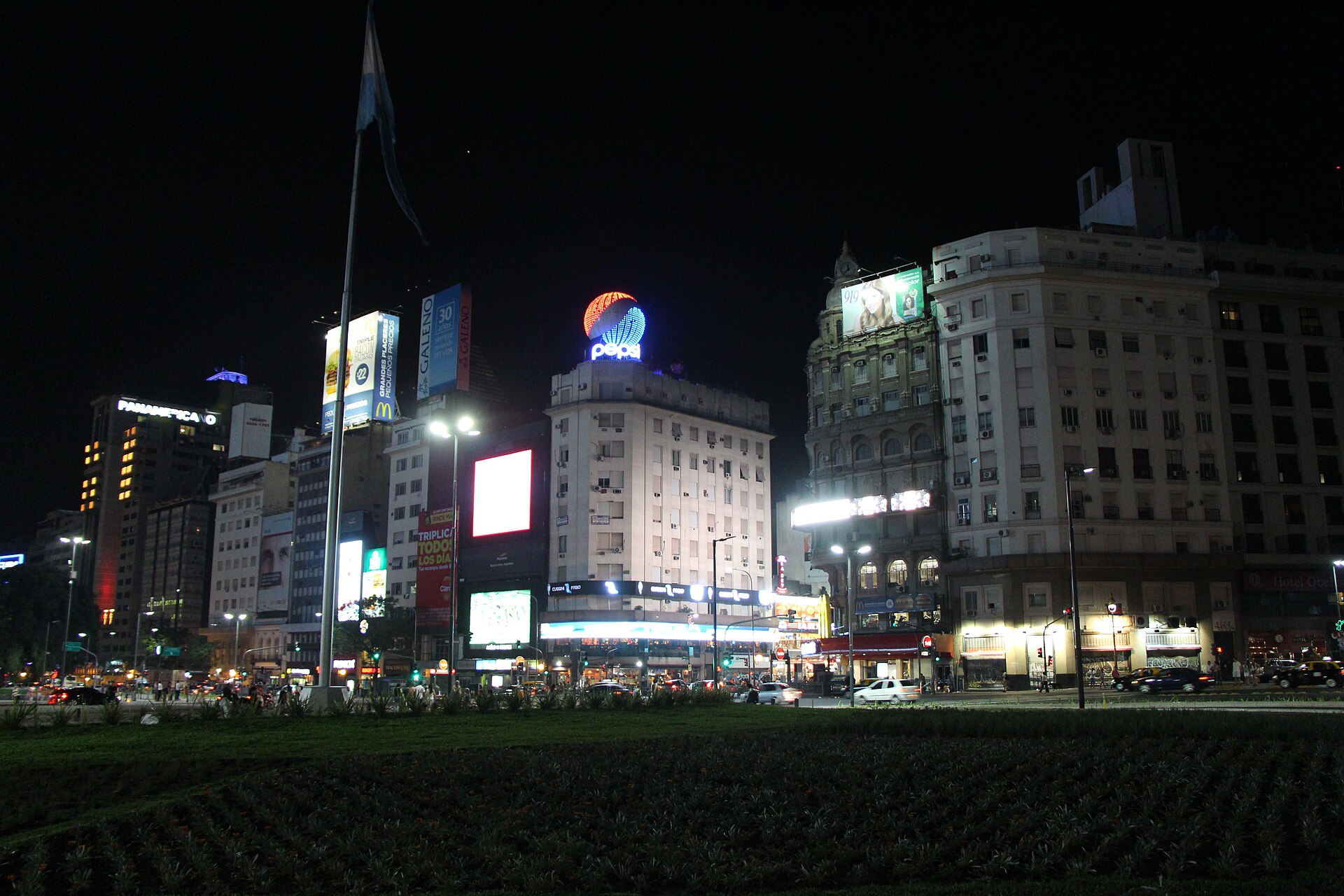
Avenida 9 de Julio, Buenos Aires (2)
Photo: Raphael Henrique Figueira · Wikimedia Commons · CC BY-SA 4.0

After the price shock of 2022, most rich countries have brought inflation back down. But the range around the world is still enormous.

🇦🇷 Argentina🇦🇷 Argentina: +219.9%+219.9%🇹🇷 Türkiye🇹🇷 Türkiye: +34.9%+34.9%🇳🇬 Nigeria🇳🇬 Nigeria: +23%+23%🇭🇺 Hungary🇭🇺 Hungary: +4.4%+4.4%🇵🇱 Poland🇵🇱 Poland: +3.8%+3.8%🇯🇵 Japan🇯🇵 Japan: +3.2%+3.2%🇺🇸 United States🇺🇸 United States: +2.9%+2.9%🇩🇪 Germany🇩🇪 Germany: +2.2%+2.2%🇨🇭 Switzerland🇨🇭 Switzerland: +0.15%+0.15%🇨🇳 China🇨🇳 China: +0.06%+0.06%
Inflation · 2025 · Open in the interactive tool →

The extremes

Argentina recorded +219.9% in its latest data. That means prices more than tripled in a year. Argentina has struggled with high inflation for most of the last 80 years, mainly because governments financed deficits by printing money.

Türkiye is at +34.9%, after years of keeping interest rates low while prices rose. Nigeria is at +23%.

At the other end, prices in Switzerland rose by only +0.15%. A strong franc makes imports cheaper, and the Swiss central bank is famously cautious.

In the middle

United States +2.9%, Germany +2.2%, Poland +3.8%, Hungary +4.4%. Most central banks aim for about 2%, so several of these are still a bit above target.

Why it matters for comparisons

High inflation makes GDP numbers in local currency look bigger than they really are. That is why we show growth in "real" terms (with price rises removed) and convert everything to dollars.

China is unusual in the other direction: prices there have hardly risen recently (+0.06%), a sign of weak demand at home.

Source: World Bank, World Development Indicators (CC BY 4.0). Latest year: 2025.

More stories

Two hundred years of getting rich, in one chartIn 1820 the richest country in the world was only about four times richer than the poorest big ones. Today the gap is far wider. A long view from the Maddison Project.
Romania has caught up with Hungary. Here is how it happenedIn 1990 a Romanian earned about half of what a Hungarian did, measured by local purchasing power. By 2024 Romania was ahead. A short look at the numbers.
Poland and Ukraine started in the same place. Then they splitIn 1990 Ukraine was slightly richer per person than Poland. Today Poland produces about three times as much per person. A short story about two neighbours.
💬 Suggest an improvement

NationVS is a free, ad-free project and we build it with your ideas. What is missing, confusing or would make it more useful?

Anonymous: we store only your text, the page and the language. Please do not include personal data.