When Eastern Europe overtook Southern Europe

In 1990 Portugal and Greece were far richer than Poland or Lithuania. Adjusted for prices, that is no longer true.

November 17, 2026 · Numbers update automatically with the latest data
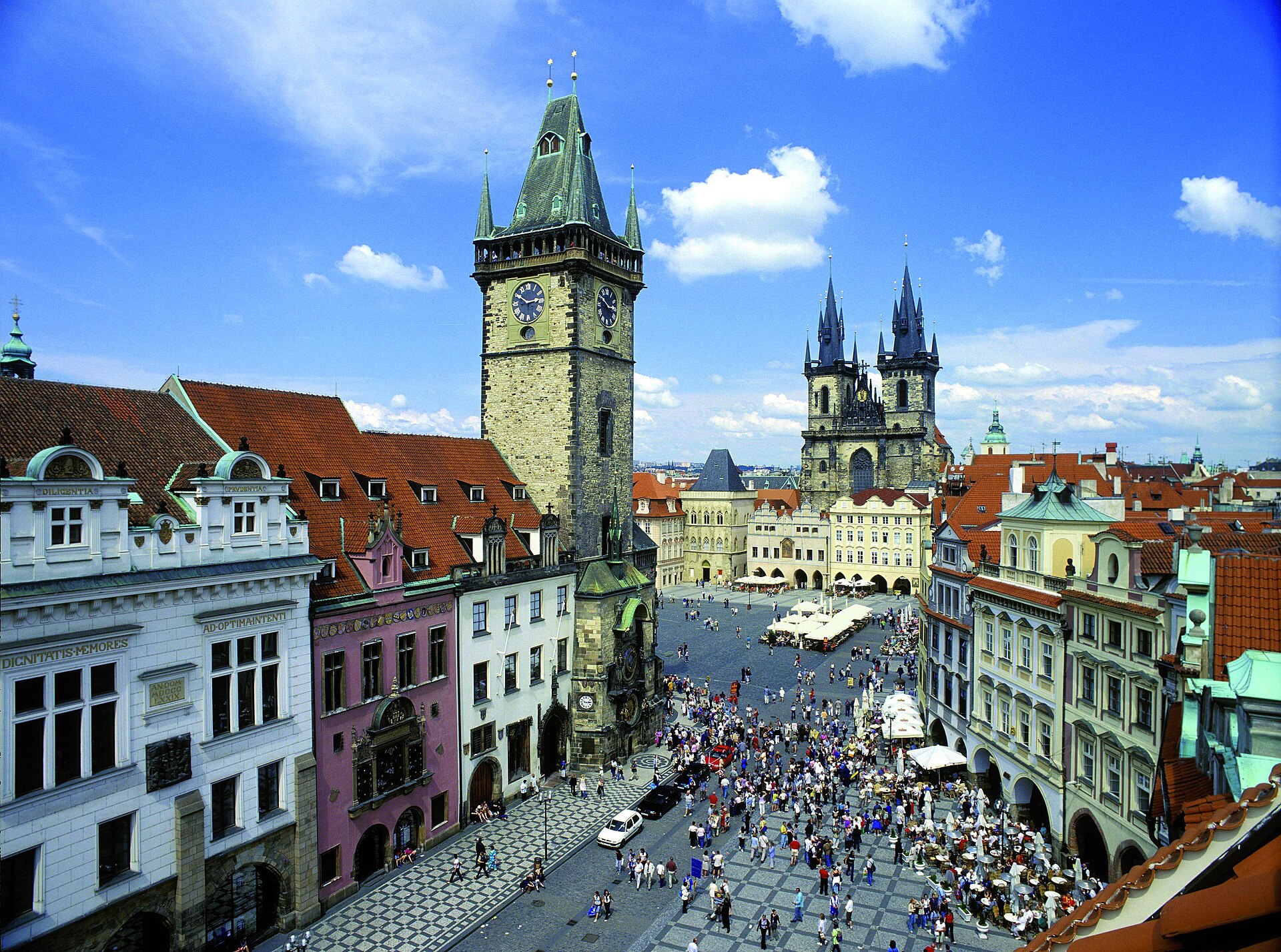
Prague old town square panorama
Photo: Estec GmbH, Billig Hotel in Prag · Wikimedia Commons · CC BY 3.0

In 1990 the line was clear. Southern Europe was poorer than the north, but far richer than the former communist east. Portugal had a GDP per person (adjusted for prices) 1.9× that of Poland.

🇮🇹 Italy🇮🇹 Italy: $62,802$62,802🇨🇿 Czechia🇨🇿 Czechia: $60,487$60,487🇪🇸 Spain🇪🇸 Spain: $59,868$59,868🇱🇹 Lithuania🇱🇹 Lithuania: $56,834$56,834🇵🇱 Poland🇵🇱 Poland: $54,262$54,262🇵🇹 Portugal🇵🇹 Portugal: $53,145$53,145🇬🇷 Greece🇬🇷 Greece: $45,263$45,263
GDP per person (PPP) · 2025 · Open in the interactive tool →

The picture today

Lithuania now stands at $56,834, Poland at $54,262, while Portugal is at $53,145 and Greece at $45,263. Czechia ($60,487) has moved close to Spain ($59,868).

Why it happened

The east started from a low base and grew fast after joining the EU. Southern Europe was hit hard by the euro crisis after 2010: Greece lost a quarter of its economy, and Portugal and Spain went through years of austerity.

These are averages adjusted for local prices. In money terms at market exchange rates, the south is still ahead in most cases, and wages and wealth tell a more mixed story.

Source: World Bank, World Development Indicators (CC BY 4.0). Latest year: 2025.

More stories

$0$10,000$20,000$30,000$40,000$50,000$60,000199519992003200720112015201920232025
$0$10,000$20,000$30,000$40,000$50,000$60,00019952003201120192025
Bulgaria: still last in the EU, but catching up fastBulgaria has the lowest GDP per person in the European Union. Its distance from the rest has shrunk sharply since the crisis of 1997.
$0$10,000$20,000$30,000$40,000$50,000$60,000$70,0002000200420082012201620202025
$0$10,000$20,000$30,000$40,000$50,000$60,000$70,0002000200820162025
Croatia's quiet climb past HungaryCroatia lost a decade to war and then to a long recession after 2008. Since 2015 it has grown fast, and adjusted for prices it is now level with or ahead of Hungary.
🇸🇮 Slovenia: $59,244$59,244🇭🇷 Croatia: $50,949$50,949🇲🇪 Montenegro: $35,430$35,430🇷🇸 Serbia: $33,911$33,911🇲🇰 North Macedonia: $28,027$28,027🇧🇦 Bosnia & Herzegovina: $25,815$25,815🇽🇰 Kosovo: $19,262$19,262
One country, seven economies: former Yugoslavia todayYugoslavia broke apart in the 1990s. Its successor states have grown at very different speeds. Slovenia is now about three times richer than Kosovo.
💬 Suggest an improvement

NationVS is a free, ad-free project and we build it with your ideas. What is missing, confusing or would make it more useful?

Anonymous: we store only your text, the page and the language. Please do not include personal data.